What Is PRP Therapy for Hair Loss?
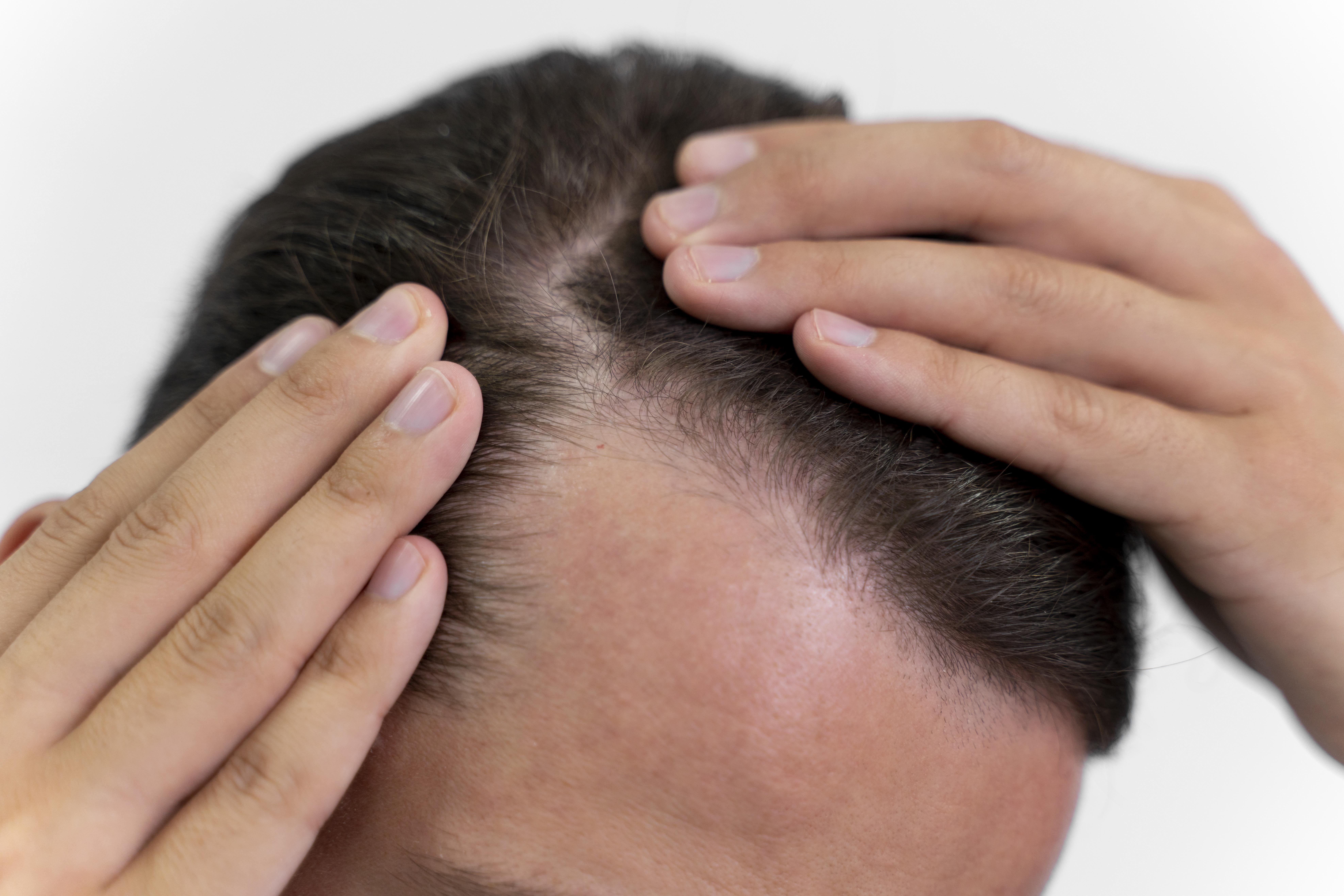
PRP for hair loss is a treatment that uses your own blood to help regrow hair. PRP stands for Platelet-Rich Plasma. Doctors take a small amount of your blood and spin it in a machine. This process separates the platelets, which are rich in growth factors. Then, they inject this plasma into your scalp. Many people choose PRP because it is natural and uses your own body’s cells.
How Does PRP Work for Hair Restoration?
PRP works by using the healing power of your platelets. First, the doctor injects the PRP into areas of your scalp where hair is thinning. Next, the growth factors in the plasma help wake up hair follicles. As a result, these follicles may start to grow new hair. Over time, you may notice thicker and stronger hair. However, results can vary from person to person.
Scientific Evidence: Does PRP Really Work for Hair Loss?
Many studies have looked at PRP for hair loss. According to research in dermatology journals, PRP can help some people with certain types of hair loss. For example, people with androgenetic alopecia (common male or female pattern baldness) may see improvement. The World Health Organization and other health groups note that more research is needed. Still, many patients report thicker hair after several sessions. Yet, PRP does not work for everyone. Results depend on the cause of hair loss and your overall health.
Who Benefits Most from PRP Treatment?
Not everyone is a good candidate for PRP hair therapy. However, some groups benefit more than others. The best candidates for PRP hair treatment include:
On the other hand, PRP may not help if you have complete baldness or certain medical conditions. Always talk to a dermatologist to see if you are a good fit.
Risks, Side Effects, and Safety Considerations
PRP for hair loss is generally safe because it uses your own blood. Still, as with any treatment, there are some risks. Common side effects include:
Serious side effects are rare. However, infection or injury can happen if the procedure is not done properly. Therefore, always choose a trained and experienced provider.
What to Expect During and After PRP Treatment
First, your doctor will draw a small amount of blood from your arm. Then, they spin it in a machine to get the platelet-rich plasma. Next, the doctor injects the PRP into your scalp using a thin needle. The whole process usually takes about one hour. Most people need several sessions, spaced a few weeks apart. After treatment, you may feel some soreness or see mild swelling. However, you can usually return to normal activities the same day.
Lifestyle Tips and Aftercare for Best Results
After PRP treatment, you can help your hair grow by following some simple tips:
In addition, follow your doctor’s advice for aftercare. This can help you get the best results from PRP hair therapy.
Prevention and Alternative Options
While PRP for hair loss can help some people, it is not the only option. To prevent hair loss, try to manage stress, eat well, and avoid harsh hair treatments. Other treatments for hair loss include:
Each option has its own risks and benefits. Therefore, it is important to talk to a doctor about what is best for you.
Conclusion: Is PRP for Hair Loss Right for You?
In summary, PRP for hair loss is a promising treatment for some people. It uses your own blood to help regrow hair and is generally safe. However, results can vary, and not everyone will benefit. If you are thinking about PRP hair therapy, consult a dermatologist at WhiteCaps Advanced Dental and Maxofacial Clinic for personalized advice on PRP for hair loss.