Introduction
Hair loss can affect anyone, causing stress and worry. PRP for hair loss is a new treatment that many people are talking about. PRP stands for platelet-rich plasma. This therapy uses your own blood to help restore hair. But does it really work? In this blog, we will explain what PRP is, how it works, and who benefits most. We will also look at the latest research and share tips for healthy hair.
What is PRP Therapy for Hair Loss?
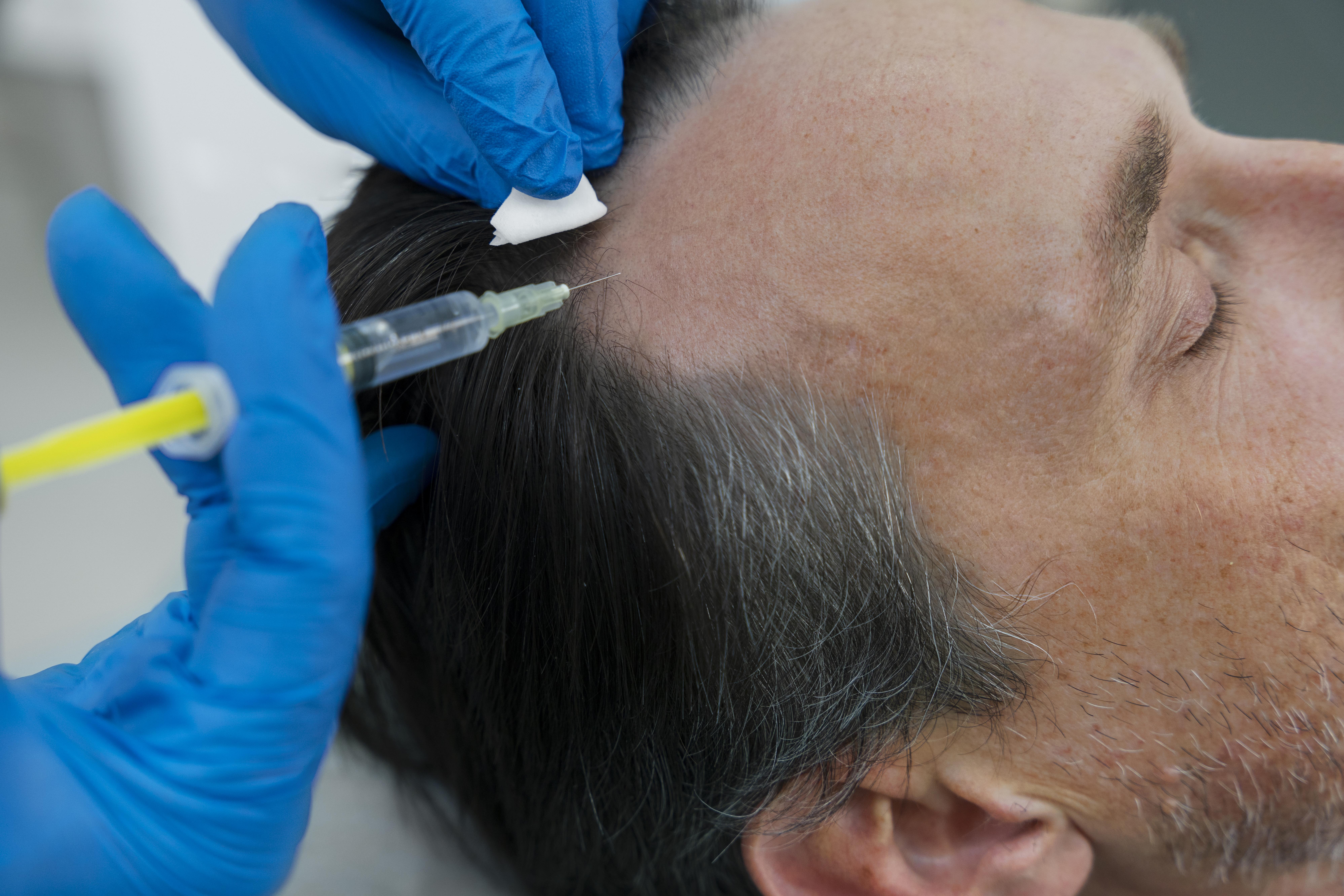
PRP therapy for hair loss is a medical treatment. Doctors take a small amount of your blood. Then, they spin it in a machine to separate the plasma. This plasma is rich in platelets, which help heal and grow tissue. Next, the doctor injects this platelet-rich plasma into your scalp. The goal is to help hair grow back naturally. Many clinics now offer platelet-rich plasma hair treatment for people with thinning hair.
How Does PRP Work for Hair Loss?
PRP works by using your own platelets to boost hair growth. First, the doctor draws your blood. After that, they use a special machine to get the plasma. This plasma has growth factors that help repair and grow cells. When injected into the scalp, these growth factors may wake up hair roots. As a result, hair may grow thicker and stronger. Some people notice less hair shedding after PRP hair restoration.
Scientific Evidence: Does PRP Really Work?
Many studies have looked at PRP hair loss effectiveness. Some research shows that PRP can help people with certain types of hair loss. For example, a study in the Journal of Cutaneous and Aesthetic Surgery found that PRP improved hair count and thickness in people with pattern hair loss. However, not all studies agree. The World Health Organization and other experts say more research is needed. Still, many people report good PRP hair restoration results after several sessions.
Who Benefits Most from PRP for Hair Loss?
Not everyone is a good candidate for PRP hair loss treatment. People who benefit most often have early-stage hair thinning. For example, men and women with pattern baldness may see the best results. Also, people who are healthy and do not have blood disorders are better candidates. On the other hand, those with severe hair loss or certain medical conditions may not see much improvement. If you are wondering who is a good candidate for PRP hair loss, talk to a doctor first.
Potential Risks and Side Effects
PRP is usually safe because it uses your own blood. However, like any treatment, there can be risks. Some people may feel mild pain or swelling at the injection site. Rarely, infection or injury to blood vessels can happen. Most side effects are mild and go away quickly. Still, it is important to choose a trained doctor for PRP hair loss treatment.
What to Expect During PRP Treatment
During PRP hair loss treatment, the doctor will first draw your blood. Then, they spin it to get the platelet-rich plasma. After that, they inject the plasma into your scalp. The whole process takes about one hour. Most people need several sessions for the best results. Usually, you can return to normal activities right after the treatment. However, your doctor may give you special care tips for your scalp.
Cost and Accessibility
The cost of PRP hair loss treatment can vary. In many cities, each session may cost between $500 and $1,500. Most people need three or more sessions. Also, insurance usually does not cover PRP for hair loss. However, some clinics offer payment plans. If you are looking for PRP hair loss treatment in your area, check with local clinics for prices and options.
Prevention and Lifestyle Tips
While PRP can help, healthy habits are also important for hair. For example, eating a balanced diet supports hair growth. In addition, avoid harsh hair treatments and limit heat styling. Managing stress can also help prevent hair loss. If you notice sudden or severe hair loss, see a doctor to rule out other causes.
Conclusion
In summary, PRP for hair loss is a promising option for some people. It uses your own blood to help restore hair. While research is ongoing, many people see good results, especially in the early stages of hair loss. However, not everyone will benefit. Therefore, it is best to consult a qualified healthcare provider to see if PRP is right for you. They can help you decide on the best treatment for your hair needs. Struggling with hair thinning or early hair loss? Discover whether PRP therapy is the right solution for stronger, healthier hair growth with expert care at WhiteCaps Advanced Dental and Maxillofacial Clinic.