Introduction
Periodontal diseases, also known as gum diseases, affect the tissues that support your teeth. These conditions can harm your gums, bone, and even lead to tooth loss. Anyone can get gum disease, but it is more common in adults. Because healthy gums are important for a healthy mouth, learning about periodontal diseases can help you protect your smile.
What Are Periodontal Diseases? (Gum Diseases)
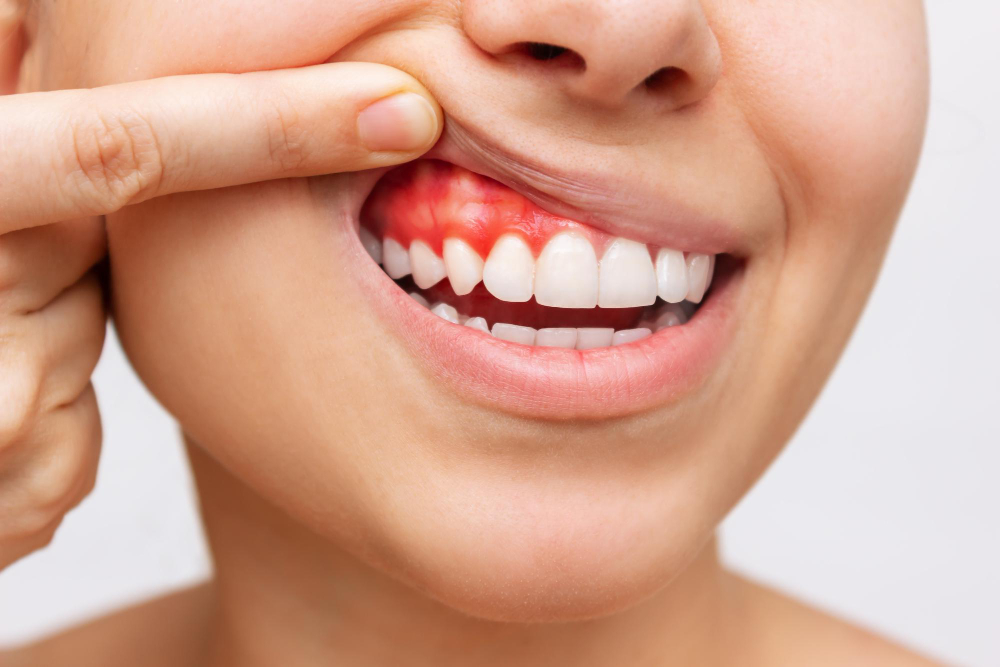
Periodontal diseases are infections or inflammation of the gums and bone around your teeth. The most common types are gingivitis and periodontitis. Gingivitis is the early stage, where gums become red and swollen. If not treated, it can turn into periodontitis, which can damage the bone and tissues that hold your teeth. As a result, teeth may become loose or even fall out.
Common Symptoms of Periodontal Diseases
It is important to know the signs of gum disease. Early treatment can prevent serious problems. Watch for these symptoms:
However, some people may not notice any symptoms until the disease is advanced. Therefore, regular dental checkups are important.
Causes and Risk Factors
Gum diseases usually start with plaque, a sticky film of bacteria on your teeth. If you do not remove plaque by brushing and flossing, it can harden into tartar. Tartar makes it easier for bacteria to irritate your gums. Over time, this can lead to infection and damage.
Several factors can increase your risk of periodontal diseases:
Because these risk factors can add up, it is important to take care of your mouth every day.
How Periodontal Diseases Are Diagnosed
Dentists use several methods to check for gum disease. First, they will look at your gums for redness, swelling, or bleeding. Next, they may use a small tool to measure the space between your teeth and gums. Deeper spaces can be a sign of disease. Sometimes, dental X-rays are needed to see if bone has been lost. Early diagnosis helps prevent further damage.
Treatment Options for Gum Diseases
Treatment depends on how serious the gum disease is. For mild cases, better brushing and flossing may be enough. Dentists may also do a professional cleaning to remove plaque and tartar. In more advanced cases, deeper cleaning called scaling and root planing is needed. Sometimes, medicines or special mouth rinses are used. In severe cases, surgery may be needed to repair the gums or bone. Your dentist will suggest the best treatment for you.
Tips for Prevention and Oral Hygiene
Good oral hygiene is the best way to prevent periodontal diseases. Here are some simple tips:
By following these steps, you can keep your gums and teeth healthy for life.
When to See a Dentist
If you notice any signs of gum disease, do not wait. Early treatment can stop the problem from getting worse. Even if you have no symptoms, regular dental visits are important. Your dentist can spot early changes and help you keep your mouth healthy.
For personalized advice on gum disease prevention and treatment, consult a dental specialist at WhiteCaps Advanced Dental and Maxofacial Clinic.